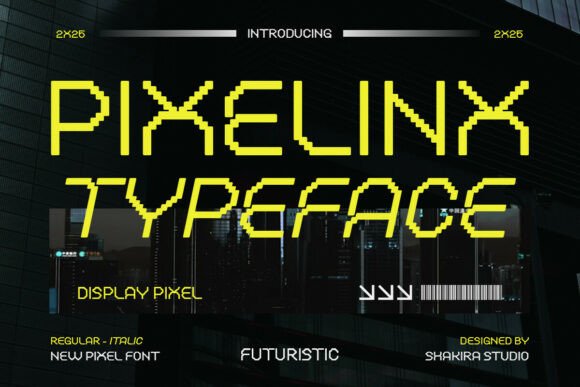
Pixelinx: A Futuristic Pixel Font for Modern Digital Brands
Finding a typeface that bridges the gap between nostalgic gaming aesthetics and sleek, contemporary design can be a challenge. Pixelinx is a futuristic pixel display font crafted specifically for this intersection. It takes the blocky, grid-based structure of classic video game text and refines it with modern precision. The result is a typeface that feels both familiar and forward-thinking, offering a distinct visual voice for projects that need to stand out in a crowded digital landscape.
Visual Style and Core Personality
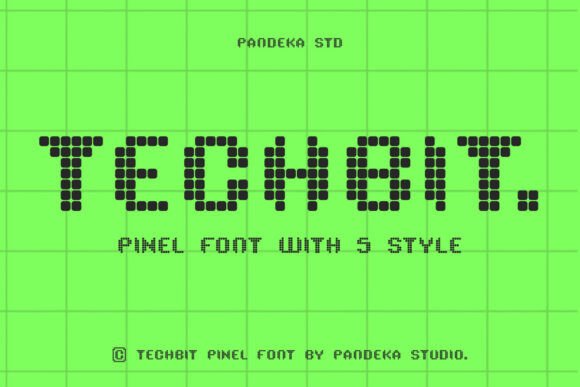
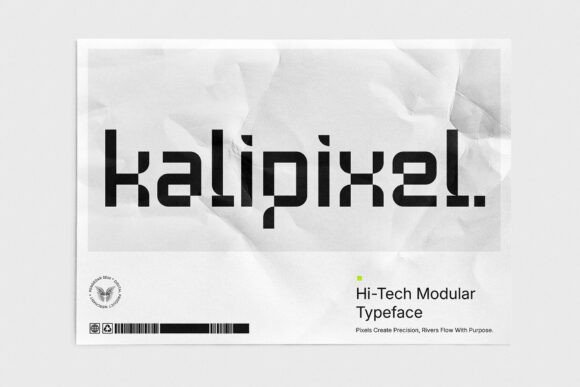
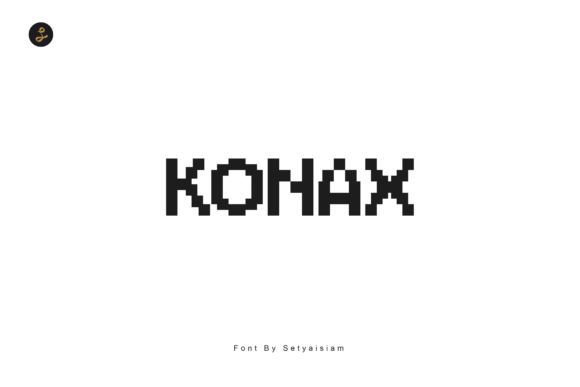
At first glance, Pixelinx presents a clean, constructed appearance. Each character is built on a visible pixel grid, but unlike some retro fonts that embrace rough, jagged edges, Pixelinx maintains a crisp, intentional clarity. This is what makes it a premium font for display purposes. The letterforms are uniform, with consistent stroke weights and deliberate spacing. The personality of Pixelinx is confident, technical, and slightly edgy. It doesn't try to mimic handwriting or organic forms; instead, it celebrates digital construction. This makes it an excellent choice for brands that want to convey innovation, tech-savviness, or a connection to digital culture without appearing dated.
The appeal lies in its versatility within a specific niche. It can evoke the energy of esports branding or the sleek interface of a cyberpunk video game. For a designer, it's a tool that can instantly inject a digital-era vibe into a project. It works particularly well for short, impactful text—headlines, logos, and call-to-action buttons—where its unique character can be fully appreciated without compromising on immediate readability.
Strategic Applications Across Creative Projects
Understanding where a font like Pixelinx excels is key to using it effectively. Its strength is in high-impact, visual-first contexts. Here are some practical applications where it truly shines:
- UI/UX and Web Design: Use it for hero sections, navigation labels, or feature callouts in tech products, gaming apps, or SaaS platforms. It can make a dashboard or landing page feel more dynamic and modern.
- Branding and Logo Design: Pixelinx is a strong candidate for logo design in the tech, gaming, or digital media sectors. It creates immediate brand recognition and sets a clear tone. Paired with a simple sans serif font for body copy, it can form a complete and coherent brand identity.
- Content Creation: For YouTube thumbnails, social media banners, or podcast cover art, the font grabs attention. Its blocky nature ensures legibility even at smaller sizes or when viewed quickly on a mobile feed.
- Digital and Physical Products: It's ideal for digital products like video game interfaces, e-book covers in the sci-fi genre, or techwear clothing tags. In packaging design, it can give a product a futuristic, limited-edition feel.
- Editorial and Publishing: While not suited for body text, it can create striking chapter headings, pull quotes, or cover titles for magazines, blogs, or zines focused on technology, gaming, or digital art.
Guidance for Selection, Pairing, and Usage
Choosing the right font involves more than just liking its look. For a display font like Pixelinx, practical testing is essential. Always view the font in context. Mock up a headline in your intended design to see how its weight and spacing interact with other elements. Consider the readability considerations—while it's designed for clarity, extremely long sentences in all caps can become tiring to read. Use it for emphasis, not for large blocks of text.
A critical step is evaluating font pairing. Pixelinx's geometric, pixelated structure pairs best with clean, neutral typefaces. A classic sans serif font like Helvetica, Inter, or Roboto provides a perfect counterbalance for body text, ensuring your overall design remains legible and professional. Avoid pairing it with other decorative display fonts, serif fonts with high contrast, or overly ornate script fonts, as this will create visual competition and clutter.
Before finalizing your choice, review the full character set and any included styles. Does it have the punctuation and symbols you need? Are there alternative glyphs or stylistic sets that could add a unique touch? Finally, if your project is for commercial use—whether for a client's brand, a product you're selling, or monetized content—ensure you are clear on the commercial licensing. Using a creative font like Pixelinx correctly ensures your work is not only visually compelling but also legally sound. By thoughtfully integrating it into your design toolkit, Pixelinx can become a powerful asset for creating memorable, forward-looking visual communication.