Pixelart Halloween: A Distinctive Decorative Font for Creative Projects
Understanding the Visual Character of This Typeface
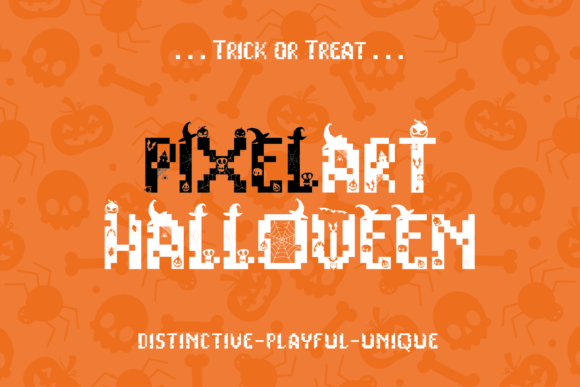
Pixelart Halloween immediately captures attention through its unique fusion of retro digital aesthetics and classic horror themes. This isn't your typical script font or clean sans serif font; it's a display font built for impact. The letterforms are constructed from visible, blocky pixels, reminiscent of early video game graphics, yet they incorporate subtle, spookier elements—perhaps jagged edges, dripping effects, or eerie silhouettes within the pixel grid. The overall personality is playful yet creepy, nostalgic yet fresh. It manages to feel both crafty and slightly unsettling, making it a creative font that doesn't take itself too seriously while still delivering a powerful thematic punch. This duality is its strength; it can evoke fun, childhood memories of arcade games while simultaneously tapping into the timeless appeal of Halloween's spooky aesthetic.
Where This Font Truly Shines: Practical Applications
Knowing where a premium font like Pixelart Halloween works best is key to using it effectively. Its highly decorative nature means it's not suited for body text or lengthy paragraphs. Think of it as the headline act, not the supporting cast. It excels in situations where a strong, thematic mood needs to be established quickly.
- Event Branding & Marketing: This is a natural fit for Halloween-themed parties, haunted house attractions, fall festivals, and seasonal sales. It can set the entire tone for invitations, posters, social media banners, and website headers.
- Product Packaging & Labels: For artisanal goods, candy, craft beers, or any product launching a seasonal edition, Pixelart Halloween offers a memorable logo design or label treatment. It communicates a limited-time, special edition feel.
- Editorial & Publishing: Magazine covers, book chapter titles, or blog post headers for horror-genre content, gaming reviews, or retro-themed articles can leverage this typeface for instant genre recognition.
- Digital & Social Media: YouTube thumbnails, Twitch stream overlays, Instagram story graphics, and podcast cover art can benefit from its high-contrast, recognizable style. It grabs scrolling attention in a crowded feed.
- Personal & Craft Projects: For hobbyists and crafters, it's perfect for creating custom t-shirts, stickers, party decorations, scrapbook elements, or digital planner headers. The PUA encoding ensures easy access to all glyphs for personalization.
Strategic Use: Impact on Perception and Engagement
Choosing a font like Pixelart Halloween is a strategic decision that influences more than just aesthetics. It directly affects how your audience perceives your project and engages with your message.
Brand Perception & Recognition: Using this display font consistently in seasonal campaigns can build strong brand recognition. Your audience will learn to associate the distinctive pixelated horror style with your brand's Halloween offerings, creating anticipation and recall. It positions a brand as playful, creative, and attuned to cultural moments.
Visual Hierarchy & Readability: As a creative font, its primary role is to create a focal point. Pair it wisely with a clean, neutral serif font or sans serif font for body copy. This contrast establishes a clear hierarchy: the bold, thematic font draws the eye to the key message, while the simpler font ensures supporting text remains legible. Never sacrifice readability for style; test your combinations at various sizes.
Audience Engagement: The nostalgic, pixel-art style can trigger positive emotional responses, particularly in adults aged 20–50 who grew up with 8-bit and 16-bit games. This shared cultural reference can make your content feel more relatable and engaging, fostering a stronger connection with your target demographic.
A Practical Guide to Selecting and Implementing This Font
Before integrating Pixelart Halloween into your project, a methodical approach ensures success.
- Evaluate Project Fit: Does your project's tone align with a blend of retro gaming and Halloween? It's ideal for themes of nostalgia, fun horror, gaming, and autumn festivities. It may not suit formal, corporate, or minimalist projects.
- Test Thoroughly: Always test the font in context. Create mockups of your intended application—a social media post, a product label, a website header. Check the legibility of your specific word or phrase at the intended display size. Some decorative fonts have letters that can blend or clash.
- Explore Font Pairings: The best font pairing will balance its strong personality. A geometric sans serif font like Futura or a transitional serif font like Georgia often works well. The goal is contrast, not competition. Avoid pairing it with other highly decorative or thematic fonts.
- Review Included Assets: A commercial font like this often includes more than basic letters. Check for alternate characters (glyphs), swashes, ligatures, and dingbats (like small pixelated bats, pumpkins, or ghosts). These extras, accessible via the PUA encoding, can add unique flair to your designs.
- Understand Licensing: Confirm the font's license covers your intended use. A standard license for a premium font typically allows for use in digital and print projects, but if you plan to embed it in software, apps, or on-demand products, an extended license may be necessary. Always read the EULA.
Pixelart Halloween is more than just a design asset